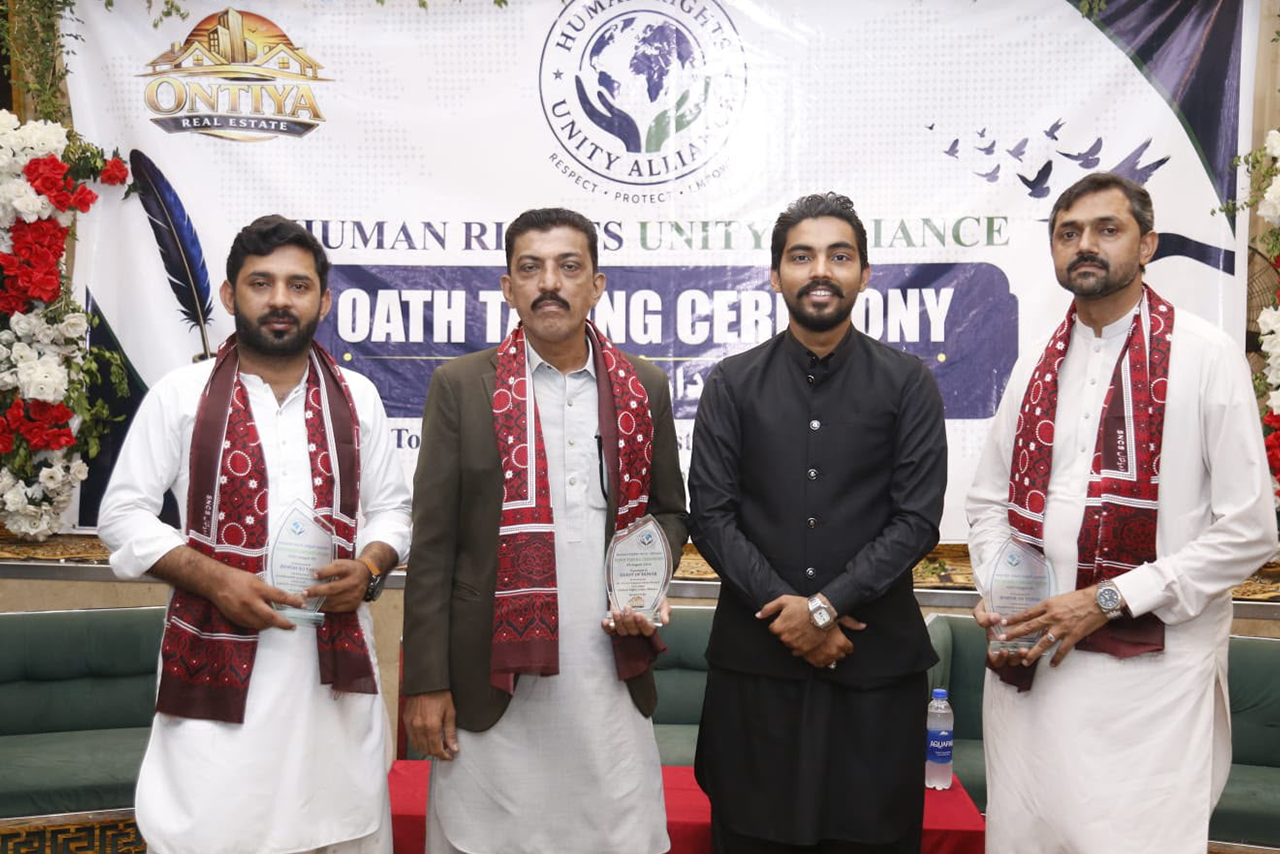
Human rights are not limited to courtrooms, government offices, or legal documents. They are part of everyday life. The right to live with dignity, express an opinion, receive education, practice a religion, access justice, and live free from discrimination are all connected to the basic idea that every human being deserves respect.
In Pakistan, awareness of human rights can play an important role in creating stronger and more informed communities. When people understand their rights, they are better prepared to recognize unfair treatment, seek appropriate assistance, and speak up when the dignity of another person is threatened.
What Are Human Rights?
Human rights are basic freedoms and protections that belong to every person simply because they are human. These rights are connected with dignity, equality, freedom, safety, and participation in society.
Human rights can include:
- Equality before the law
- Access to justice
- Freedom of expression
- Freedom of religion and belief
- Right to education
- Protection from discrimination
- Respect for personal dignity
- Protection of children and vulnerable individuals
- Participation in community and public life
These principles become meaningful when they are understood and respected in everyday situations.
Why Human Rights Awareness Is Important
A person who does not know their rights may not recognize when those rights have been violated.
For example, someone facing discrimination may believe that unfair treatment is simply something they have to accept. A student experiencing harassment may remain silent because they do not know where to seek support. A vulnerable family may avoid legal assistance because they believe justice is inaccessible.
Awareness ca
Education about human rights gives individuals the confidence to ask questions, understand available options, and seek appropriate support.
Human Rights Begin at the Community Level
Human rights protection is not only the responsibility of institutions. Communities also have an important role.
Respecting a neighbor, protecting children from abuse, treating women and men equally, respecting different beliefs, and refusing to participate in discrimination are simple actions that contribute to a healthier society.
Social change often begins with ordinary people making responsible decisions.
The Role of Organizations
Human rights organizations can help bridge the gap between people and the information or support they need. Organizations can raise awareness, conduct research, support vulnerable communities, and encourage dialogue around difficult social issues.
HRUA describes its work around human rights protection, research and policy, community development, education, advocacy, and public engagement.
Building a Rights-Aware Pakistan
A society becomes stronger when people understand both their rights and their responsibilities.
Human rights awareness should therefore begin in schools, universities, workplaces, families, and local communities. Young people should be encouraged to discuss equality and justice. Adults should have access to understandable information about their legal and social rights.
Most importantly, human rights should not be treated as an abstract concept. They should be connected to real people and real experiences.
Conclusion
Human rights awareness is one of the foundations of a fair society. When people know their rights, they become more capable of protecting themselves and supporting others.
Creating a rights-aware Pakistan requires education, empathy, responsible institutions, and active communities. Every informed individual can become part of that change.